The Crash Game IP War: Navigating Global Trademark Disputes
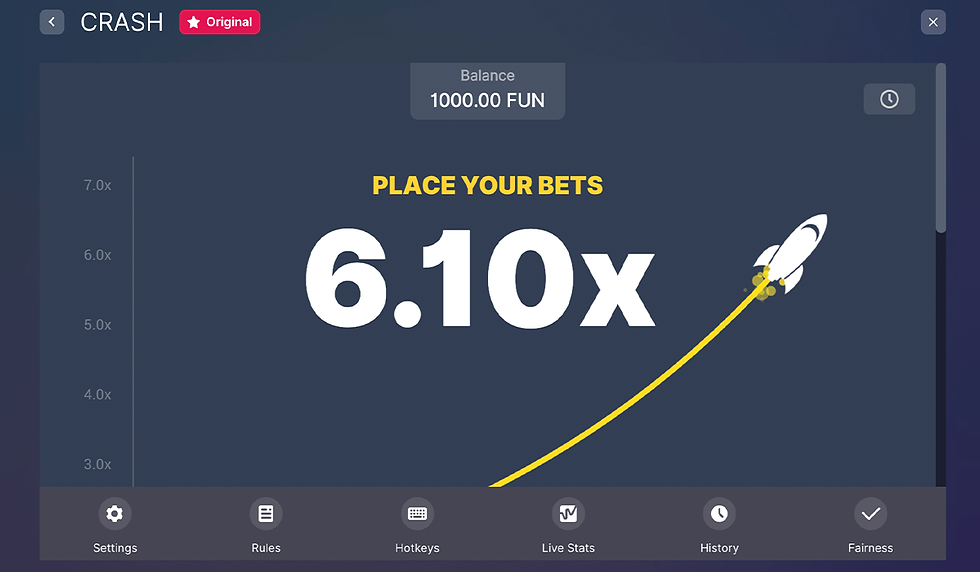
The crash game genre, characterized by its simple yet thrilling multiplier-based mechanics, has exploded in popularity across the International market. Games like Aviator, JetX, and Spaceman have become household names, attracting millions of players and generating significant revenue for operators. However, this rapid global expansion has ignited a complex and sprawling intellectual property war. Behind the scenes, a fierce legal battle over game names, mechanics, and branding is unfolding across multiple continents, shaping the landscape of game availability and provider competition. For the international player and operator, understanding these trademark disputes is crucial for navigating the market’s future.
The Battlefield: International Trademark Disputes Explained
At the heart of the conflict lies the fundamental question of what can be owned in a game genre built on a relatively simple concept. Providers like Spribe, creators of the iconic Aviator, and Smartsoft Gaming, behind JetX, have aggressively sought to trademark not just their specific game titles but also the thematic elements and sometimes the very mechanics that define the crash experience. This has led to a wave of litigation and administrative challenges as competitors like Gamzix, with their game Spaceman, and other developers release their own interpretations. The disputes are not confined to a single region; they are truly global, with significant rulings and ongoing cases spanning from the Americas to Europe and Africa.
Key Jurisdictions and Rulings
The legal landscape is a patchwork of national decisions. In Colombia, courts have seen actions related to the protection of game names and distinctive features. Romania and Serbia, both important markets and homes to several gaming software developers, have been active venues for preliminary injunctions and trademark opposition proceedings. In Canada, regulatory bodies have been approached regarding the distinctiveness of game branding. Italy and South Africa have also hosted significant legal skirmishes where companies like Spribe have sought to enforce their trademarks against local operators offering similar-sounding games.
The African and Latin American Fronts
The expansion into emerging markets has further fueled the IP war. In Kenya, Ghana, and South Africa, the clash over the “Aviator” name and its associated airplane-themed imagery has been particularly intense, with local gaming boards sometimes drawn into the fray. Similarly, in Latin America, jurisdictions such as Brazil and Mexico have become critical battlegrounds where the outcome of a case can influence an entire region. Even the licensing authority of Curaçao has found itself indirectly involved, as operators licensed there must navigate the international IP claims of their game providers.
Impact on Game Availability for Players

For the international player, these legal battles translate directly to the games they see on their favorite casino sites. A ruling in favor of a trademark holder in a key market like Italy or South Africa can force operators to delist a specific game, such as a clone named “Pilot” or “Rocket,” from their offerings for customers in that country. This creates a fragmented experience where a game available in Brazil might be inaccessible in Mexico due to an injunction. Players may find that the title of a beloved crash game suddenly changes on a platform, or that its visual theme is altered slightly to comply with a court order, potentially disrupting the user experience and familiarity.
Strategies for Operators Navigating the IP Minefield
For casino operators aiming to offer a robust crash game portfolio, the current environment requires careful strategy and due diligence. The risk of receiving a cease-and-desist letter or, worse, a costly lawsuit is real. A proactive approach is no longer optional but a business necessity in the International arena.
Conducting Thorough Trademark Searches
Before integrating a new crash game, operators must invest in comprehensive trademark searches across their target markets. This goes beyond just checking the game’s primary name; it involves examining logos, key visual elements, and even specific terminology used in the game’s interface. Engaging with legal experts who understand both gaming law and IP in jurisdictions like Romania, Colombia, or Kenya is essential to identify potential conflicts early.
Diversifying the Game Portfolio
Relying on a single crash game, especially one embroiled in litigation, is a significant risk. A sound strategy involves offering a diverse selection of games from multiple providers. While featuring Aviator from Spribe, operators should also partner with providers like Smartsoft Gaming for JetX, Gamzix for Spaceman, and other reputable studios with legally distinct titles and themes. This not only mitigates legal risk but also caters to varied player preferences, ensuring that if one game faces a takedown, the crash game vertical on the site remains strong.
The Future of Innovation in Crash Games
The ongoing IP war presents a double-edged sword for innovation. On one hand, strong trademark protection arguably rewards original creators like Spribe for their market-defining work on Aviator, incentivizing further investment and innovation. On the other hand, overly broad claims could stifle competition and limit the evolution of the genre. The future may see developers pushing further into unique thematic territories—moving beyond aviation into undersea, historical, or fantasy multipliers—to carve out legally defensible niches. The core mechanic of a rising multiplier that can crash at any moment is likely not patentable, but the specific expression of that idea is where the battles will continue to be fought.
Potential for Industry-Wide Standards
Some industry observers suggest that the current litigious phase might eventually lead to more formalized industry standards or coexistence agreements, similar to those seen in other tech sectors. Providers might agree on clearer boundaries for thematic elements or establish a common understanding of what constitutes infringement versus legitimate competition. Until then, the legal disputes will remain a defining feature of the crash game ecosystem.
A Note on Responsible Gambling
As the legal and commercial landscape of crash games evolves, the imperative for responsible gambling remains constant. These fast-paced games are designed for entertainment. International players are encouraged to set strict deposit limits, take regular breaks, and never chase losses. It is vital to remember that the outcome of every round is determined by a random number generator, and past performance does not influence future results. Always gamble responsibly and view any wager as the cost of entertainment, not an investment.

Written by